
Packing for a trip can be exciting, but also stressful if you’re unsure what to bring. Whether you’re planning a weekend getaway, a family vacation, a business trip, or a longer adventure, the right essentials can make your journey much more enjoyable. The key to smart packing isn’t to take everything you own, but to choose versatile and practical items that you’ll actually need.
A well-planned travel bag can save you time, space, and unnecessary expenses. From important documents and comfortable clothing to useful tech gadgets, a few carefully selected items can help you be prepared for unexpected situations.
Here are 10 essential things you should pack for almost any trip.
1. Travel documents and identification papers
Your travel documents should always be at the top of your packing list. Depending on your destination, this may include your passport, visa, identity card, driver’s license, travel insurance documents, hotel reservations, and flight or train tickets.
Keep important documents in a safe and easily accessible place. It’s also a good idea to keep digital copies of your passport, reservations, and other important documents on your smartphone or in secure cloud storage. Such backups can be very helpful if an original is lost or damaged.
If you are traveling internationally, check the expiry date of your passport and find out about the entry requirements of your destination before departure.
2. Comfortable and versatile clothing
The right clothing can make a big difference to your travel experience. Instead of packing a separate outfit for every occasion, choose versatile pieces that can be mixed and matched.
When choosing your clothing, consider the weather, planned activities, and the duration of your trip. Lightweight tops, comfortable trousers, a versatile jacket, underwear, socks, and sleepwear are a good starting point. If you’re traveling to a place with changeable weather, wearing several layers is often more practical than packing a single heavy garment.
Neutral colors and simple designs also make it easier to put together different outfits from just a few items of clothing.
3. Comfortable shoes
A good pair of shoes is one of the most important travel essentials. Long walks at the airport, sightseeing, city tours, or visiting various attractions can quickly become unpleasant if your shoes aren’t suitable.
Choose shoes that are comfortable, lightweight, and suitable for your destination. For most trips, one reliable pair of comfortable shoes is sufficient. For longer vacations or trips with many activities, an extra pair may be useful.
If possible, avoid taking brand-new shoes on a trip. Shoes you’ve already worn and know are comfortable can prevent blisters and sore feet.
4. Toiletries and personal care products
Your personal toiletries should have their own, well-organized place in your luggage. Depending on your needs, this might include a toothbrush, toothpaste, shampoo, conditioner, deodorant, skincare products, a hairbrush, shaving supplies, and other everyday grooming items.
Travel-sized or small containers can help save space. A waterproof toiletry bag also prevents leaks from damaging the rest of your luggage.
Please note that specific regulations may apply to liquids in hand luggage, depending on the airport and airline. Therefore, check the applicable rules before packing.
5. Smartphone, charger and power bank
Your smartphone can be one of the most useful tools when traveling. You can use it to access maps, boarding passes, hotel information, translation apps, travel bookings, and emergency contacts.
However, all these features are of little use if the battery is dead. Therefore, always pack your charger and consider taking a portable power bank, especially if you’re out for several hours and might not have access to a power outlet.
Wenn Sie international reisen, sollten Sie außerdem prüfen, ob Sie einen passenden Reiseadapter oder einen Spannungswandler für Ihr Reiseziel benötigen.
6. Grundlegende Medikamente und ein kleines Erste-Hilfe-Set
Ein kleines Erste-Hilfe-Set kann auf Reisen äußerst praktisch sein. Packen Sie alle regelmäßig benötigten Medikamente sowie grundlegende Dinge wie Pflaster und andere einfache Erste-Hilfe-Artikel ein, die Sie normalerweise verwenden.
Bewahren Sie wichtige Medikamente an einem leicht zugänglichen Ort in Ihrem Gepäck auf, anstatt sie tief zwischen Ihrer Kleidung zu verstauen. Wenn Sie verschreibungspflichtige Medikamente mitnehmen, kann es sinnvoll sein, diese in der Originalverpackung aufzubewahren.
Informieren Sie sich außerdem vor der Abreise über die Verfügbarkeit von Apotheken und mögliche Einfuhr- oder Reisebestimmungen für benötigte Medikamente an Ihrem Reiseziel.
7. Wiederverwendbare Trinkflasche
Ausreichend Flüssigkeit zu trinken ist auf Reisen besonders wichtig, vor allem wenn Sie lange unterwegs sind oder einen Tag lang zu Fuß eine Stadt erkunden. Eine wiederverwendbare Trinkflasche ermöglicht es Ihnen, bequem Wasser mitzunehmen.
Eine leere Trinkflasche kann je nach Flughafen und Sicherheitsbestimmungen häufig durch die Sicherheitskontrolle mitgenommen und anschließend an geeigneten Stellen aufgefüllt werden. Darüber hinaus kann eine wiederverwendbare Flasche dazu beitragen, während der Reise weniger Einwegplastikflaschen zu verwenden.
Wenn Leitungswasser an Ihrem Reiseziel nicht sicher trinkbar ist, sollten Sie die örtlichen Empfehlungen beachten und geeignetes abgefülltes oder aufbereitetes Wasser verwenden.
8. Praktische Reisetasche oder Tagesrucksack
Auch wenn Sie mit einem großen Koffer reisen, kann ein kleiner Rucksack oder Tagesrucksack äußerst praktisch sein. Darin können Sie Ihr Smartphone, Portemonnaie, Ihre Trinkflasche, Dokumente, Snacks und andere wichtige Dinge bequem während Ihrer Unternehmungen transportieren.
Wählen Sie einen leichten Rucksack mit bequemen Trägern und ausreichend Fächern, damit Sie Ihre persönlichen Gegenstände gut organisieren können. Ein kompakter Tagesrucksack eignet sich außerdem für kurze Wanderungen, Strandbesuche, Shoppingtouren und Tagesausflüge.
Wenn die Sicherheit an Ihrem Reiseziel eine Rolle spielt, kann eine Tasche mit sicheren oder versteckten Fächern für wichtige Gegenstände sinnvoll sein.
9. Reiseaccessoires für mehr Komfort
Kleine Reiseaccessoires können lange Fahrten und Flüge deutlich angenehmer machen. Je nach Ihren persönlichen Gewohnheiten können beispielsweise ein Reisekissen, eine Schlafmaske, Ohrstöpsel, eine kompakte Decke, ein Gepäck-Organizer oder Kompressions-Packwürfel nützlich sein.
Packwürfel sind besonders praktisch, weil Sie damit Kleidung und andere Gegenstände getrennt aufbewahren und den vorhandenen Platz im Gepäck besser nutzen können.
However, you don’t need to buy or take every available travel accessory. Consider which items will actually make your personal travel needs easier and focus on practical solutions.
10. Cash for emergencies and payment options
Although cards and mobile payment methods are widely accepted in many destinations, it can still be useful to carry some cash for emergencies. You might encounter shops or vendors that don’t accept card payments, or there could be unexpected problems with your bank card.
If possible, take a small amount of local currency and an alternative payment method with you. Keep cash and cards in separate, secure locations. This way, you’ll still have access to a payment method in case of loss.
If necessary, inform your bank about your trip and check before departure whether your cards will work without problems at your destination.
Here’s how to pack more efficiently
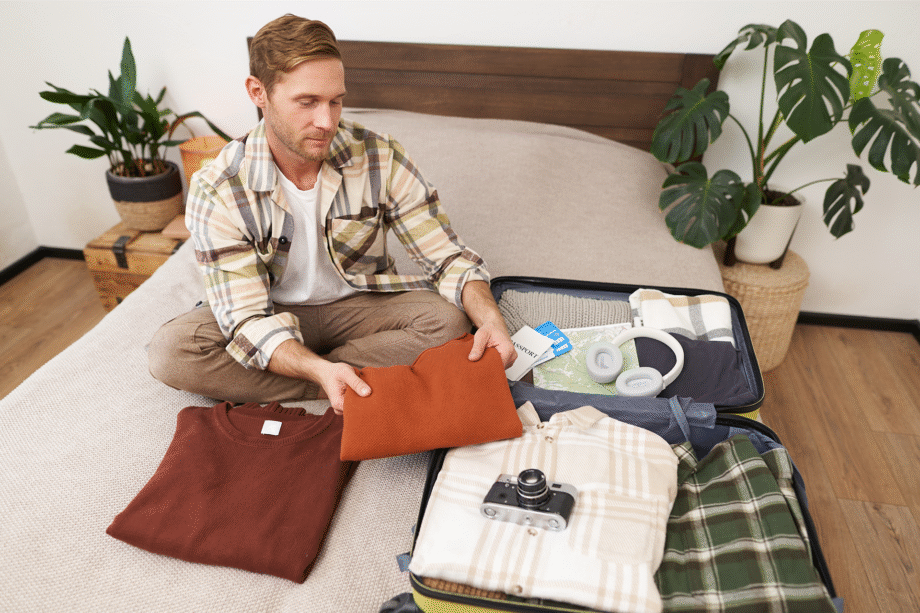
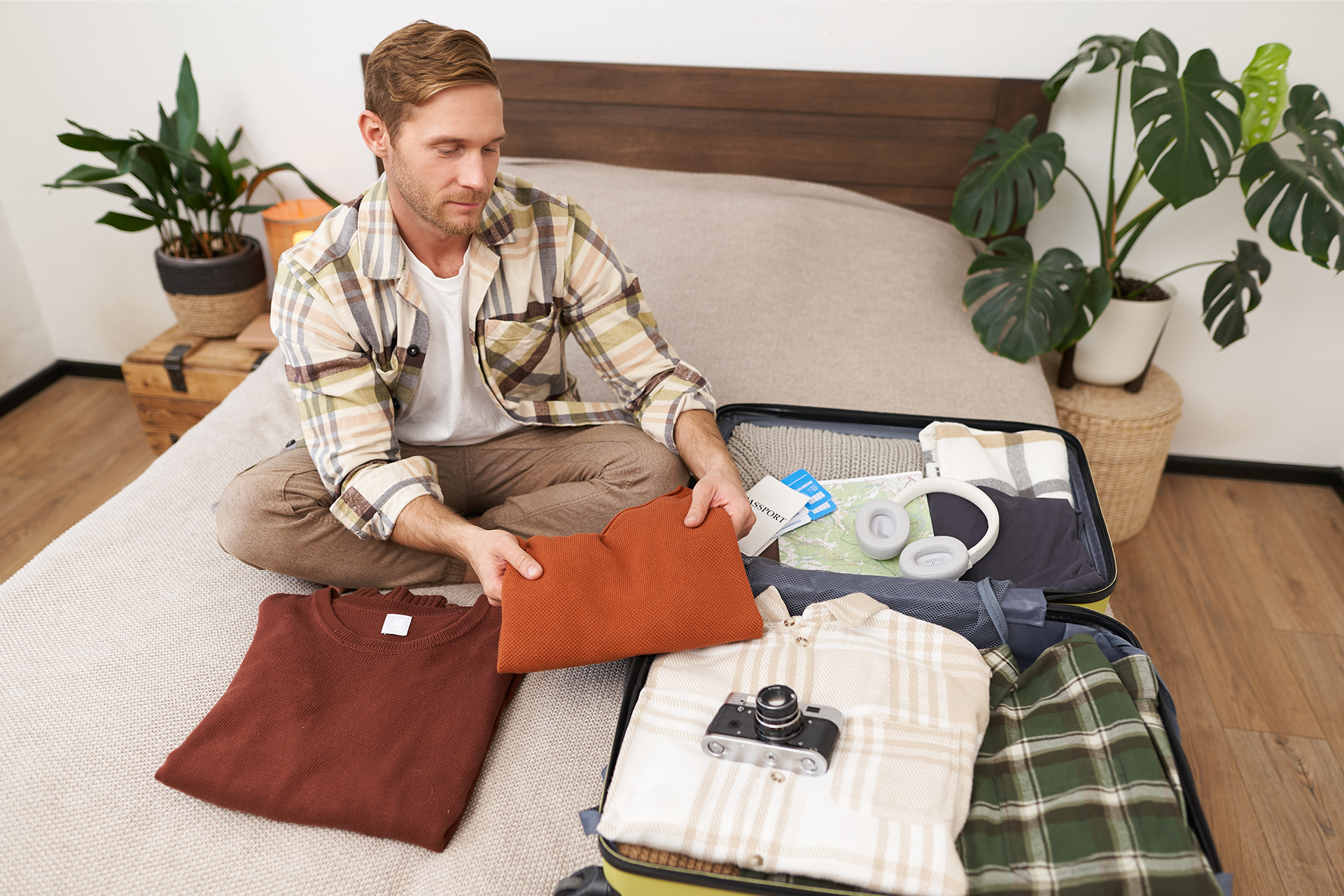
Knowing what to pack is only half the battle. Organizing your luggage is also crucial. Check the weather forecast and plan your activities before choosing your clothes. This will help you avoid packing things you won’t end up using.
Create a simple packing list and check off each item as you pack it. Try to choose clothing items suitable for different situations, rather than taking too many individual outfits.
Place frequently used items as high up in your bag as possible – especially if you’ll need them during your trip. Important documents, medications, chargers, and valuables should always be easily accessible.
Finally, leave some extra space in your luggage. You might want to take souvenirs, gifts, or other items home with you. An overstuffed suitcase can make the return journey unnecessarily complicated.
Concluding thoughts
A successful trip doesn’t require a huge suitcase. It’s best to pack thoughtfully and focus on things that will actually be useful during your journey. Travel documents, versatile clothing, comfortable shoes, toiletries, electronics, medication, a water bottle, a daypack, comfort accessories, and reliable payment methods already cover many basic needs.
Before every trip, consider your destination, the weather, planned activities, mode of transport, and your personal requirements. With a little preparation, you can avoid excess baggage and still have everything you need for a comfortable and enjoyable journey.