
There’s hardly anything that compares to the freedom of a road trip. Whether you’re exploring picturesque coastal roads, winding mountain passes, charming small towns, or vibrant metropolises, a well-planned road trip offers unforgettable experiences and lasting memories. However, the difference between a great adventure and a stressful trip usually lies in the preparation.
Good planning saves time, reduces costs, helps avoid unexpected problems, and ensures you can enjoy every mile of your trip. From choosing the right route to packing smartly, these ten practical tips will help you plan the perfect road trip.
1. Choose your destination and route carefully.
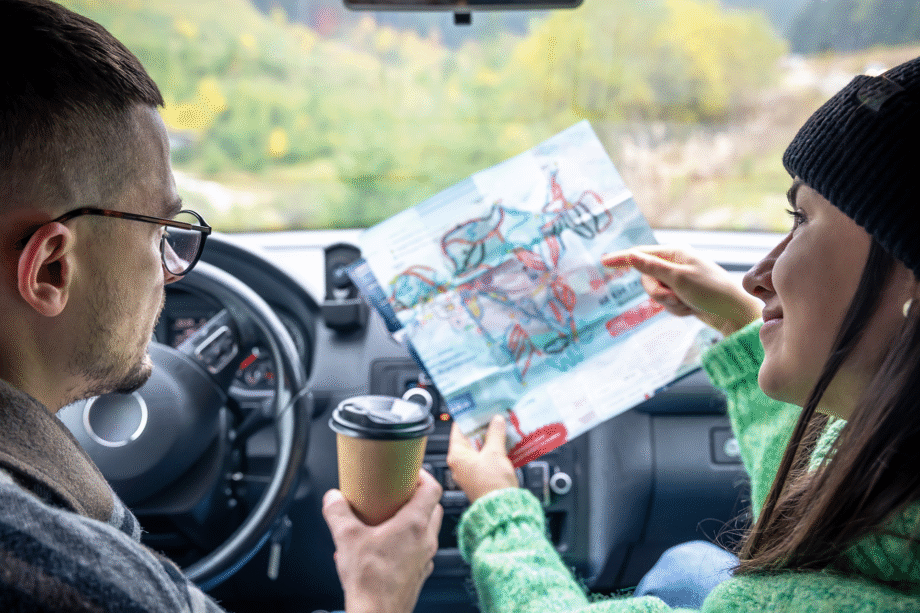
Every successful road trip begins with a destination, but the journey there is just as important. Instead of always choosing the fastest route, you should plan scenic roads, national parks, historic cities, and special sights along the way.
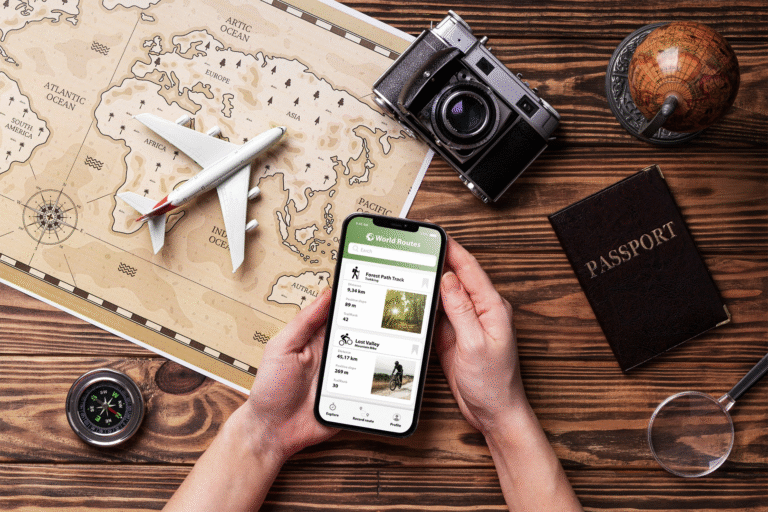
Use navigation apps and travel websites to plan your route, estimate travel times, and discover interesting stops along the way. A flexible route gives you the opportunity to enjoy spontaneous discoveries without feeling rushed.
2. Set a realistic budget
Road trips can be inexpensive, but without planning, expenses can quickly add up.
Your budget should include the following:
- Fuel costs
- Accommodation
- Food and drinks
- Entrance fees for tourist attractions
- Parking fees
- Emergency spending
- Souvenirs
Keeping track of your expenses during your trip will help you stay within your budget and avoid unpleasant financial surprises.
3. Prepare your vehicle for the road trip
Before you set off, you should make sure that your vehicle is in perfect working order.
Check in particular:
- Tire pressure and tire tread
- Engine oil
- Brake system
- coolant
- Windscreen washer fluid
- Battery condition
- Lights and indicators
A simple vehicle check can prevent costly breakdowns and increase your safety during your journey.
4. Pack smartly instead of too much.
Efficient packing makes traveling much more pleasant. Only take what you really need and keep important items within easy reach.
Essential travel items include:
- Driver’s license
- Vehicle documents
- First aid kit
- mobile phone charger
- Power bank
- Water bottles
- Snacks
- Comfortable clothing
- sunglasses
- travel pillow
Packing cubes or bag organizers help to make optimal use of the space in luggage and to stow everything neatly.
5. Book your accommodation in advance.
While spontaneous adventures are appealing, booking accommodation early ensures greater security and relaxation, especially during holidays or peak travel seasons.
Compare hotels, vacation rentals, hostels, and campsites based on price, amenities, and location. Recent guest reviews will also help you find suitable accommodation.
6. Schedule regular breaks.
Driving for extended periods without breaks can lead to fatigue and loss of concentration.
Therefore, plan a break every two to three hours to:
- To stretch one’s legs
- To refuel the vehicle
- To eat a healthy meal
- taking photos
- To explore the sights in the surrounding area
Regular breaks increase safety and make the journey more pleasant.
7. Prepare for emergencies
Even the best travel planning cannot completely rule out unexpected situations.
Therefore, carry an emergency kit containing the following:
- flashlight
- jumper cables
- spare wheel
- Tire repair kit
- Multitool
- Ceiling
- drinking water
- Long-life snacks
- Emergency contacts
Good preparation gives you security – no matter where your journey takes you.
8. Download offline maps and entertainment
A stable mobile connection is not available everywhere. Therefore, download offline maps so you can navigate reliably even without internet access.
You can also prepare:
- Music Playlists
- Podcasts
- Audiobooks
- Language learning apps
- Digital travel guides
This content provides entertainment on long journeys and reduces reliance on mobile data.
9. Leave room for spontaneous adventures
One of the best aspects of a road trip is discovering places that weren’t originally planned.
If you discover the following while you’re out and about:
- A picturesque viewpoint
- A regional farmers’ market
- A hidden beach
- A historic village
- A cozy street café
…then take the time to stop and explore your surroundings. Often, the most beautiful travel memories arise from spontaneous moments.
10. Travel responsibly
Sustainable travel helps to protect destinations and support local communities.
These include, among others:
- Dispose of your waste properly.
- Respect local customs and traditions.
- Support local businesses.
- Reduce single-use plastics.
- Stay on designated paths.
- Protect animals and natural habitats.
Even small measures can make a positive contribution to the environment and the local people.
Additional tips for an unforgettable road trip
A few more habits will make your journey even more enjoyable:
- Start early in the morning to avoid traffic jams.
- Check the weather forecast daily.
- Share your travel plans with family or friends.
- Bring some cash in case card payment is not possible.
- Take lots of photos, but don’t forget to enjoy the moment even without a camera.
These simple tips will help you stay organized and get the most out of your trip.
Conclusion
A successful road trip isn’t about covering as many miles as possible, but about collecting unforgettable experiences along the way. With careful planning, you’ll travel more safely, stay within your budget, and discover fascinating places without unnecessary stress.
By choosing the right route, preparing your vehicle, packing smartly, keeping an eye on your budget, and still remaining flexible, you create the best conditions for a successful trip. Whether you’re traveling alone, with friends, or with family, a well-planned road trip offers the perfect opportunity to discover new places, make unforgettable memories, and fully enjoy the freedom of the open road.